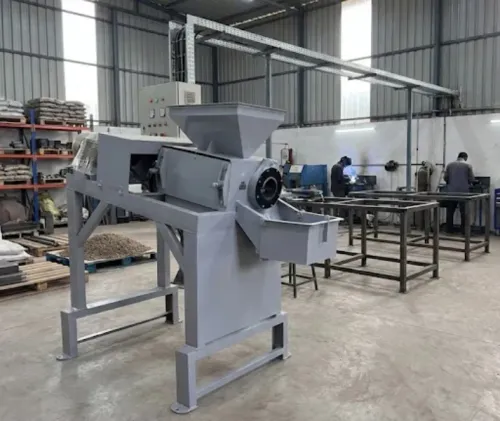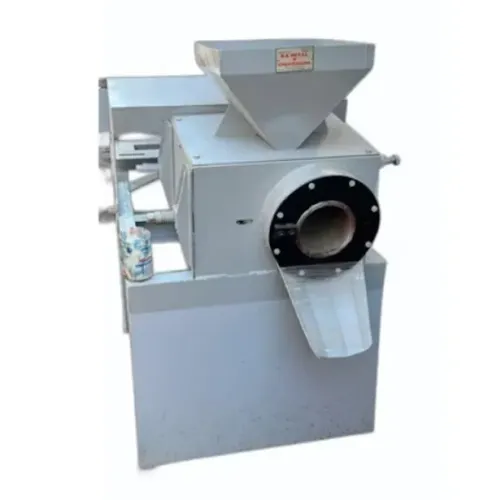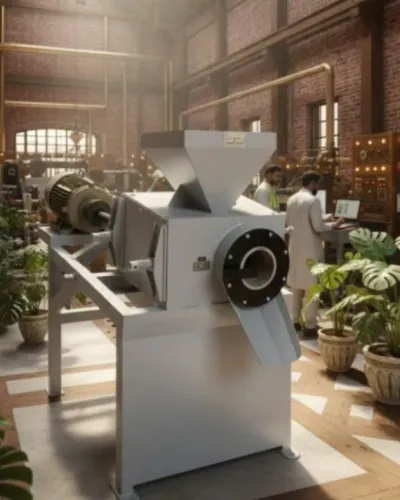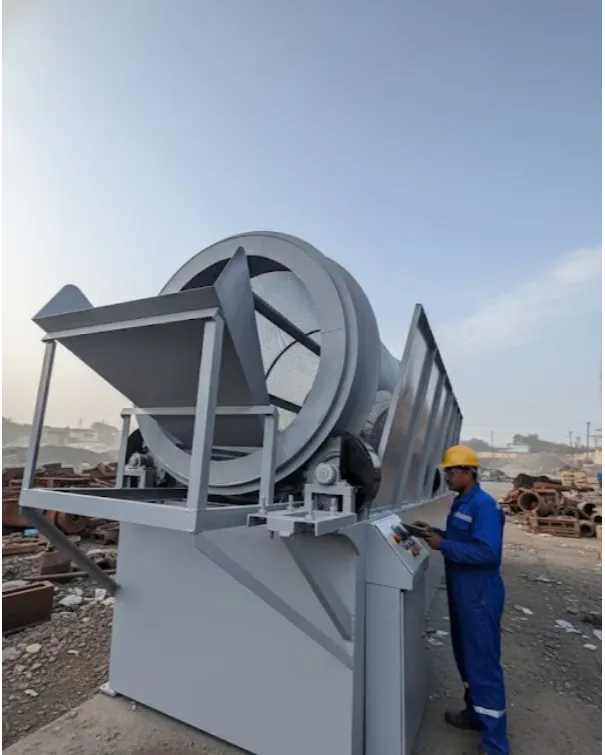
A screening machine may appear to perform a simple task, but its efficiency directly affects product consistency and overall plant throughput. When a Trommel Screening Machine does not operate under appropriate conditions, manufacturers may encounter poor separation, excessive material accumulation, reduced capacity, or unnecessary downtime.
Fertilizer processing units in Nagpur can prevent many of these issues by identifying the underlying causes rather than repeatedly adjusting the machine without examining the feed material.
1. Feeding Too Much Material at Once
Overloading is one of the most common causes of poor screening.
When excessive material enters the drum, particles may not have sufficient opportunity to contact the screening surface. This can reduce separation efficiency and increase carryover.
A controlled feed system is generally more effective than irregular bulk loading.
2. Ignoring Moisture Content
Wet or sticky fertilizer material can behave differently from dry granules.
If moisture causes particles to adhere to each other or to the screening openings, effective screening area may gradually decrease.
Manufacturers should therefore examine whether the material requires additional drying or moisture control before screening.
3. Selecting an Incorrect Screen Opening
Screen opening size must correspond with the desired product fraction.
Openings that are too large can allow unwanted material through. Openings that are too small may reject acceptable granules and unnecessarily increase recirculation.
Finished-product specifications should be defined before the screening configuration is finalized.
4. Poor Integration With Upstream Equipment
A trommel does not operate independently.
If the dryer discharges material inconsistently, the screen receives an uneven load. If the conveyor feeds material at an unsuitable rate, screening performance can fluctuate even when the drum itself is functioning correctly.
Plant operators should therefore assess the entire material path.
5. Delaying Routine Inspection
Screens operate in continuous contact with bulk material, making regular inspection important.
Maintenance checks can include:
- Screening surface condition
- Material buildup
- Drive components
- Bearings
- Support arrangements
- Feed and discharge points
- Guards and safety components
The exact inspection schedule should reflect operating hours and manufacturer recommendations.
6. Ignoring the Recycling Route
Off-size material needs somewhere to go.
A production line should define how fines and oversized particles will be collected, reprocessed, or otherwise managed. Without a planned route, rejected material can create unnecessary handling around the screening area.
Rk Metal N Engineering manufactures fertilizer-processing and associated industrial machinery in Nagpur. For Maharashtra manufacturers evaluating trommel equipment, accurate information about material behaviour is particularly useful during machine selection.
Screening problems are frequently process problems rather than isolated equipment faults. Feed rate, moisture, particle distribution, upstream drying, and downstream conveying all influence performance.
By controlling these factors and selecting equipment around realistic operating conditions, fertilizer manufacturers can achieve more stable classification and prevent the screening stage from becoming an avoidable bottleneck.
Keywords