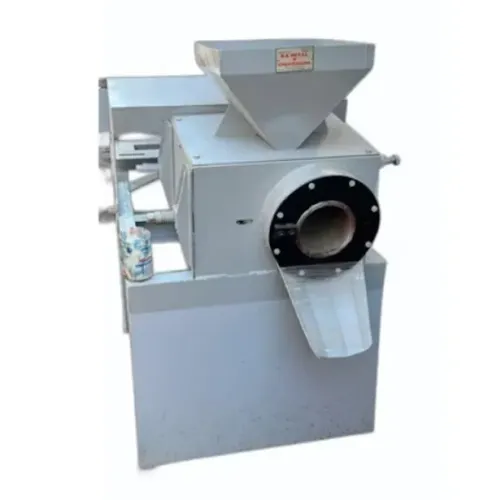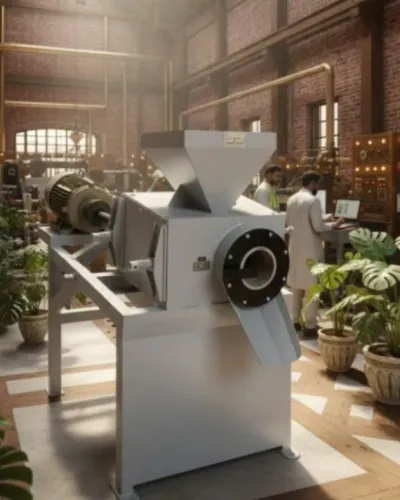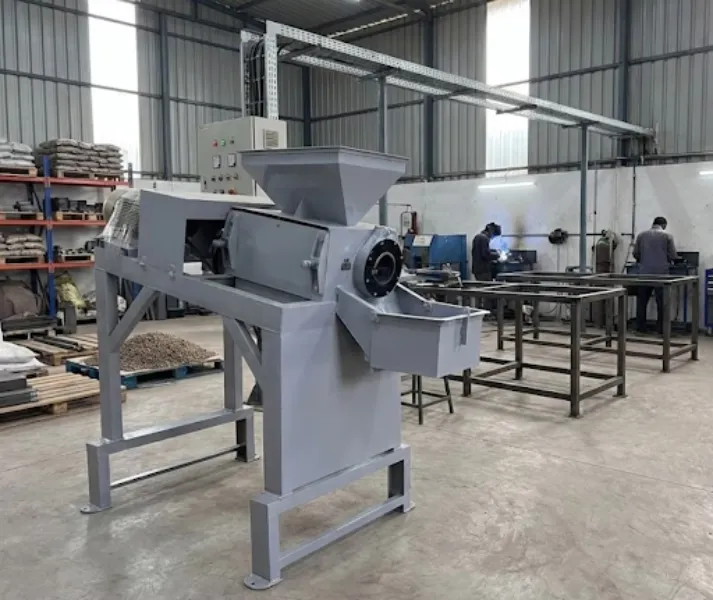
Buying a Fertilizer Pelletizing Machine is a production decision rather than a simple equipment purchase. The machine needs to process the intended material, achieve the required capacity, fit the available plant layout, and integrate with other equipment such as dryers, screens, and conveyors.
For businesses searching for a manufacturer in Nagpur, evaluating technical suitability before comparing quotations can prevent expensive mismatches later.
Define Your Material Before Requesting a Machine
The first discussion with a machinery manufacturer should cover the raw material.
Provide details about its composition, particle size, moisture range, bulk characteristics, and whether any pretreatment is already performed.
A supplier that asks detailed questions about feed material is better positioned to understand the application than one relying only on a requested machine capacity.
Establish Realistic Production Requirements
Avoid specifying capacity based solely on future ambitions. Determine both current production requirements and reasonable expansion plans.
Useful information includes:
- Required output per hour
- Daily operating hours
- Number of shifts
- Target pellet size
- Incoming material moisture
- Final product requirements
- Available electrical and utility arrangements
- Space available for installation
These details help create a clearer equipment specification.
Ask About the Complete Material Flow
Pelletizing is usually followed by additional processing.
If pellets need drying, screening, cooling, conveying, or recycling, these requirements should be considered before the plant layout is finalized.
Ask how material will move from one machine to another and whether the capacities of connected machines are appropriately balanced.
Evaluate Maintenance Access
Production machinery eventually requires inspection, cleaning, adjustment, and replacement of wear components.
A technically capable machine that is difficult to access can create avoidable maintenance challenges.
Before purchasing, discuss routine service points, expected wear areas, operating procedures, and spare component requirements.
Look Beyond the Lowest Quotation
Price matters, but comparing only the initial purchase cost can hide important differences.
Evaluate:
- Equipment specification
- Material compatibility
- Construction
- Installed power
- Expected production capacity under stated conditions
- Maintenance requirements
- Supporting machinery
- Installation considerations
A lower-cost machine that repeatedly restricts production can become more expensive operationally than appropriately specified equipment.
Rk Metal N Engineering is a Nagpur-based manufacturer working with fertilizer processing and industrial machinery. Buyers evaluating the company can discuss pelletizing alongside drying, screening, and conveying requirements rather than considering each machine independently.
For fertilizer businesses in Nagpur and other parts of Maharashtra, proximity to a machinery manufacturer can also simplify technical discussions and equipment planning where site-specific evaluation is required.
A productive supplier discussion should ultimately answer one question: can the proposed equipment process your actual material at the required quality and production rate?
When manufacturers evaluate equipment against that standard, purchasing decisions become based on production readiness rather than specifications that look attractive only on paper.
Keywords