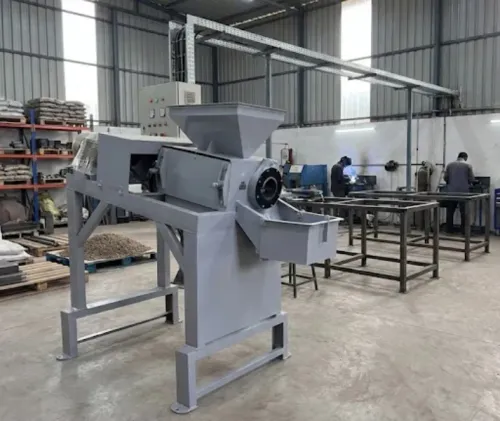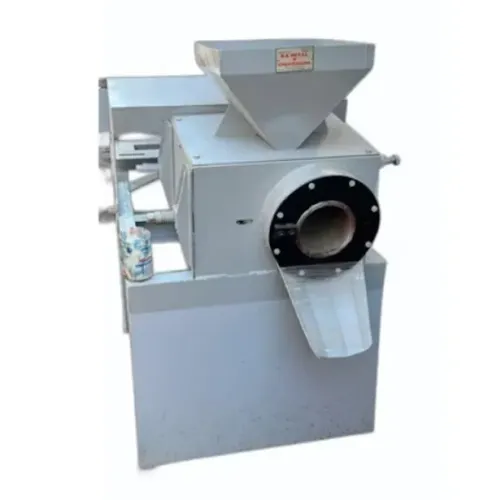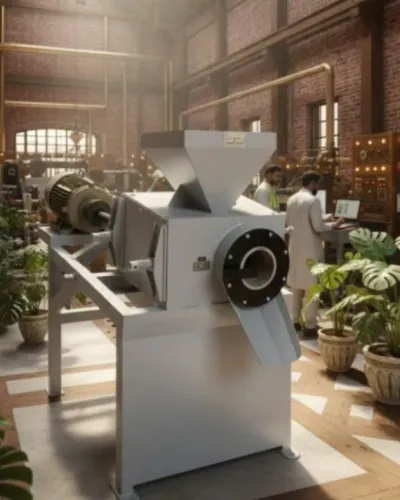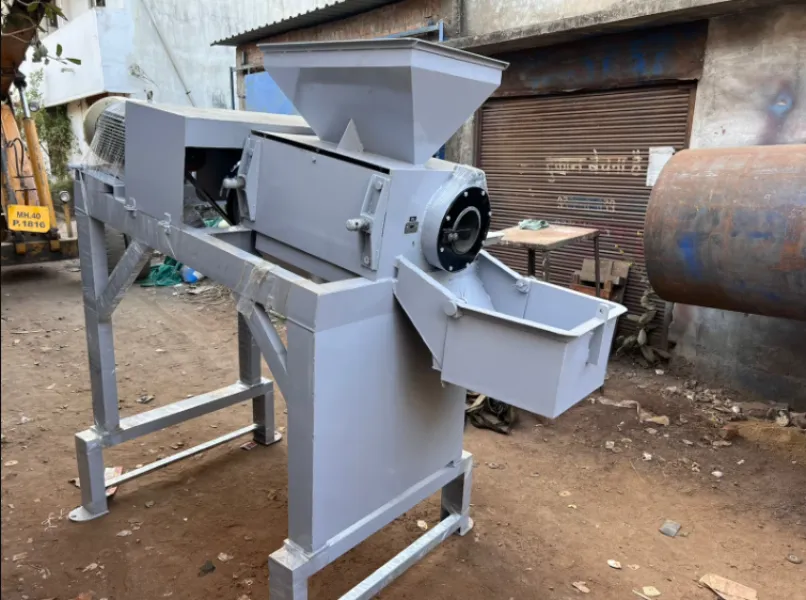
Pellet-based fertilizer production has become increasingly relevant for agricultural input manufacturers looking for easier handling, controlled product sizing, and efficient bulk processing. For businesses operating in Nagpur and across Maharashtra, understanding how Pellet Making Machines work is an important first step before planning a fertilizer processing line.
A pellet making machine converts prepared raw material into compact, relatively uniform pellets. In organic fertilizer production, the feed material may include composted agricultural residues, processed manure, organic matter, and other suitable inputs. The exact formulation and preparation depend on the intended fertilizer specification.
Uniform pellet formation is not simply about appearance. Consistent pellets can make downstream handling, packaging, storage, and application more manageable.
What Happens During Pellet Formation?
Before material enters the pelletizing stage, its condition needs to be suitable for processing. Factors such as moisture, particle size, material consistency, and feed rate can influence pellet quality.
A typical process may involve:
- Raw material preparation
- Crushing or size reduction where required
- Mixing and moisture adjustment
- Pellet or granule formation
- Drying
- Screening
- Cooling where applicable
- Conveying and packaging
Each stage affects the next. For example, poorly prepared material can lead to irregular pellet sizes, while excessive moisture can create difficulties during drying.
Why Pellet Uniformity Matters
A consistent final product offers several practical advantages. Uniform pellets flow more predictably through conveyors, screens, packaging equipment, and fertilizer application systems.
Manufacturers generally evaluate pellet quality based on characteristics such as size distribution, strength, moisture level, and resistance to unnecessary breakage.
For fertilizer producers serving agricultural markets around Nagpur and other farming regions of Maharashtra, these characteristics can affect product handling from the factory to the end user.
Equipment Selection Should Consider the Complete Process
A common mistake is evaluating a pellet machine independently from the rest of the production line. Actual performance depends on how well the machine integrates with feeding, drying, screening, and conveying equipment.
Production planners should consider:
- Type and characteristics of raw material
- Required production capacity
- Target pellet size
- Incoming and final moisture levels
- Available factory space
- Downstream drying and screening requirements
- Maintenance accessibility
Rk Metal N Engineering works within the industrial manufacturing segment in Nagpur, where fertilizer processing requirements can vary significantly between small production units and higher-capacity plants.
Before selecting equipment, manufacturers benefit from defining the desired finished product rather than beginning with machine capacity alone. A clearly planned process helps determine what pelletizing technology, supporting equipment, and material-flow arrangement are appropriate.
For fertilizer manufacturers in Maharashtra, pellet production should therefore be viewed as a coordinated processing system. When raw material preparation, pellet formation, drying, screening, and conveying are designed to work together, maintaining consistent production becomes considerably more practical.
Keywords