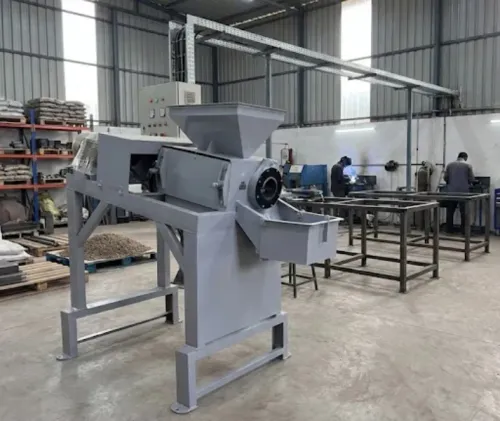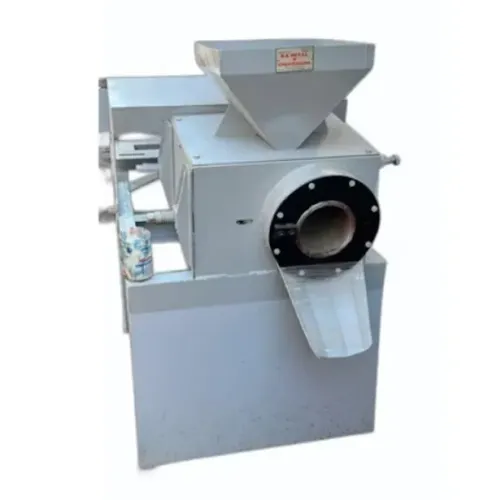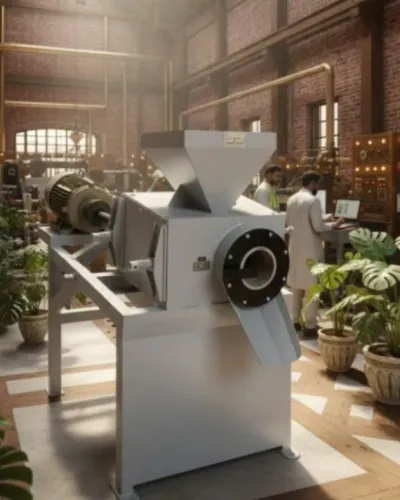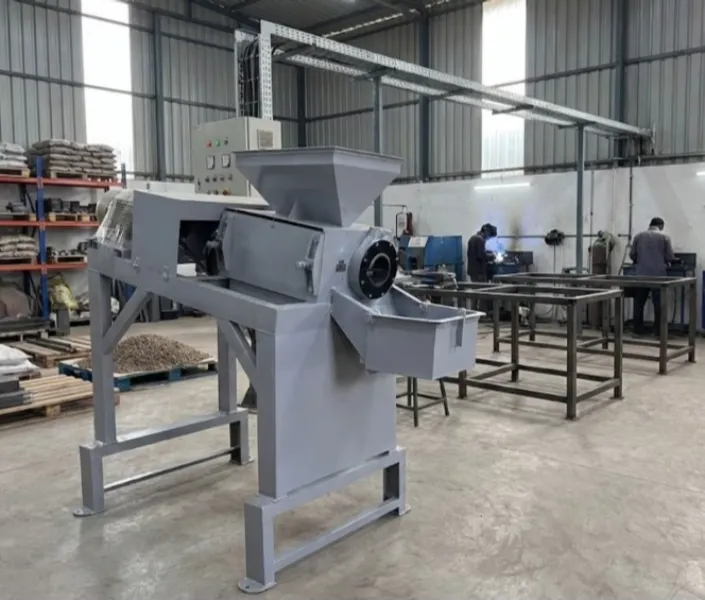
Organic fertilizer manufacturing involves more than converting compost into a different physical form. Raw material consistency, moisture management, particle size, pellet formation, and drying all influence the quality of the finished fertilizer. This is where Organic Pellet Making Machines become an important part of an organized production process.
For manufacturers in Nagpur, the growing agricultural ecosystem across Maharashtra creates demand for processing systems capable of handling different organic feed materials efficiently.
What Does an Organic Pellet Making Machine Do?
The machine processes properly prepared organic material into compact pellets of a targeted size range. Depending on the production setup, raw materials may originate from composted biomass, agricultural residues, animal manure, or other processed organic inputs suitable for fertilizer manufacturing.
Pelletizing provides a more manageable physical form compared with loose or irregular material.
Potential operational benefits include:
- More consistent product dimensions
- Easier material movement
- Improved packaging convenience
- Reduced segregation of blended materials
- Better compatibility with mechanical application
- More organized storage and transportation
The effectiveness of these benefits depends on correct material preparation and equipment configuration.
Raw Material Preparation Comes First
Pelletizing equipment cannot compensate for poorly prepared feedstock. Moisture variation is particularly important because material that is excessively wet may become sticky, while material that is too dry may not form stable pellets effectively.
Particle size also matters. Large pieces, fibrous material, stones, and unwanted contaminants can interfere with processing.
A manufacturer should therefore assess the complete preparation sequence before deciding on pelletizing capacity.
Pelletizing Is Only One Stage
After pellet formation, newly produced material may still contain more moisture than desired for storage and packaging. Drying equipment can reduce this moisture to an appropriate level.
Screening then helps separate material according to the required size specification. Oversized or undersized material may be handled separately or returned for further processing, depending on the plant design.
Conveyors connect these individual stages and reduce unnecessary manual handling.
This interconnected approach is particularly useful for fertilizer manufacturing facilities in Nagpur where available floor space, raw material characteristics, production volumes, and local operating conditions can differ from one unit to another.
Rk Metal N Engineering manufactures industrial processing equipment in Nagpur for applications that can include fertilizer production and associated material handling.
Planning for Consistent Production
Before establishing an organic pellet line, manufacturers should determine the desired hourly output, raw material composition, expected moisture range, pellet dimensions, operating hours, and packaging requirements.
These parameters provide a practical foundation for equipment selection.
An effective organic fertilizer plant is therefore not defined by one machine. It depends on how preparation, pelletizing, drying, screening, conveying, and final handling work together. Understanding these relationships helps Maharashtra-based manufacturers plan production systems around actual material behaviour rather than selecting machinery solely from nominal capacity figures.
Keywords